The Future of Precision Engineering in CNC Plastic Machining
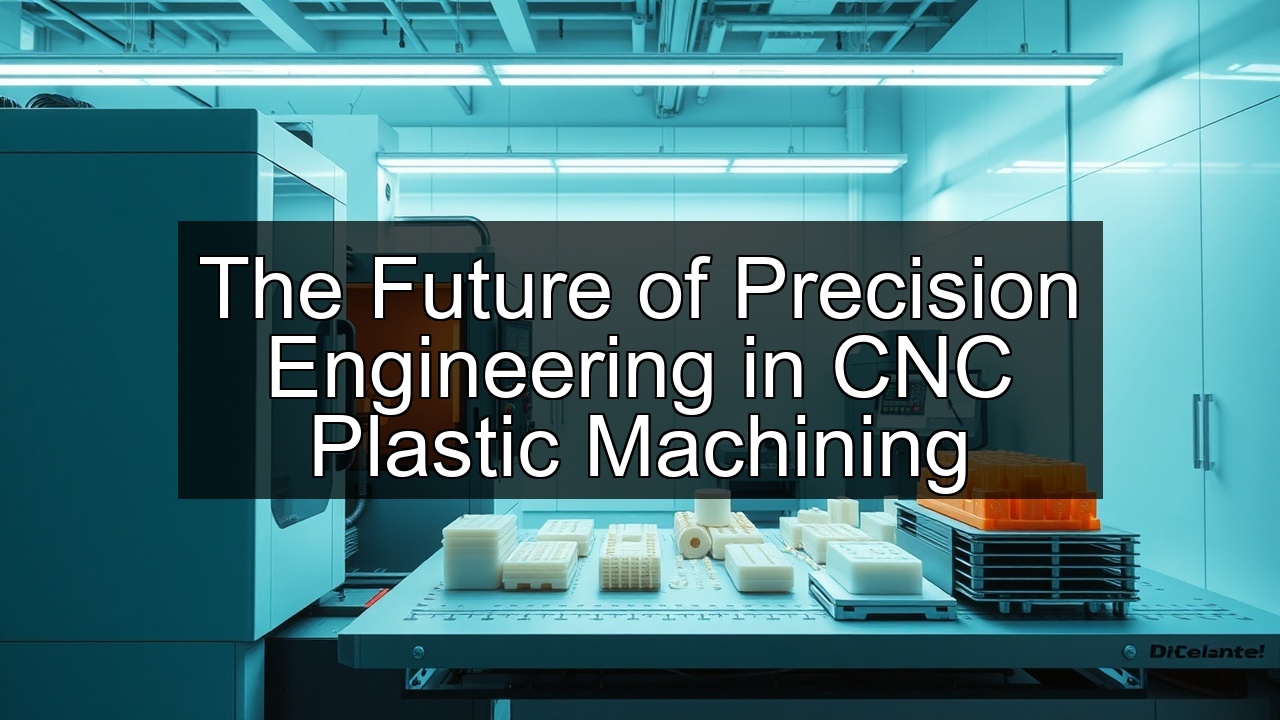
Advancements in CNC Plastic Manufacturing Technology
Innovations in Machining Processes
CNC plastic manufacturing has transformed significantly with the introduction of advanced machining processes. Traditional methods often struggled with precision, particularly for intricate designs. However, innovations such as multi-axis machining and high-speed CNC machining have elevated the standard. Multi-axis CNC machines allow for complex geometries that were previously challenging to achieve, enabling manufacturers to create detailed components with ease. High-speed machining enhances production efficiency, reducing cycle times while maintaining superior quality. These advancements not only improve the overall efficiency of plastic part machining but also expand the capabilities of manufacturers to meet diverse client needs.
The Role of Automation in CNC Plastic Machining
Automation plays a crucial role in modern CNC plastic machining, driving efficiency and consistency. Automated systems streamline production processes, minimizing human error and maximizing output. Robotic arms and automated loading systems can handle repetitive tasks, allowing operators to focus on more complex jobs that require human intervention. Additionally, smart automation technologies, integrated with machine learning algorithms, optimize machining parameters in real-time. This results in improved precision and reduced material waste. As manufacturers increasingly adopt automation, they find themselves better positioned to meet the demands of a rapidly evolving market, ensuring that they remain competitive in the landscape of machined plastic components.
Emerging Materials for Plastic Part Machining
The landscape of CNC plastic manufacturing continually evolves, particularly with the advent of new materials. Engineers and manufacturers are exploring advanced polymers and composites that offer better performance characteristics. Materials such as PEEK (Polyether ether ketone) and carbon-fiber-reinforced plastics provide enhanced strength and durability while remaining lightweight. These modern materials cater to industries requiring high-performance components, such as aerospace and automotive sectors. Furthermore, the development of biodegradable plastics presents a sustainable option for those concerned about environmental impact. As these emerging materials gain traction, they not only redefine possibilities within plastic part machining but also align with growing sustainability trends.
Applications of Machined Plastic Components Across Industries
Automotive Industry: Lightweight Solutions
The automotive industry stands at the forefront of adopting machined plastic components, primarily due to the increasing demand for lightweight solutions. Reducing vehicle weight directly impacts fuel efficiency and overall performance. Manufacturers leverage CNC plastic machining to produce intricate parts that replace traditional metal components. These plastics not only reduce weight but also offer corrosion resistance and flexibility in design. From dashboard components to structural elements, the applications are vast. The trend toward electric vehicles further amplifies this need, as manufacturers seek to optimize battery placement and reduce overall vehicle mass. Consequently, CNC plastic manufacturing has become essential in developing modern, sustainable automotive technologies.
Medical Devices: Precision and Safety
The medical device industry relies heavily on precision and safety, making CNC plastic machining an invaluable asset. Components such as housings for diagnostic machines, surgical tools, and drug delivery systems require meticulous engineering. The ability to produce high-precision machined plastic components ensures that devices function correctly and safely. Materials used in these applications must meet stringent regulatory standards, often requiring biocompatibility and sterilization capabilities. CNC plastic manufacturing facilitates the production of complex geometries that enhance device functionality while maintaining safety. As technology evolves, the industry continues to embrace CNC machining for innovative medical solutions, ensuring patient safety and device efficacy.
Consumer Electronics: Aesthetic and Functional Design
Consumer electronics represent another significant sector benefiting from machined plastic components. The demand for aesthetically pleasing yet functional designs drives innovation in CNC plastic manufacturing. Manufacturers produce intricate parts for smartphones, computers, and home appliances, where both form and function matter. The versatility of plastics allows for vibrant colors and finishes while maintaining durability. CNC machining enables the creation of customized solutions tailored to specific design requirements, enhancing user experience. As consumer preferences shift toward more personalized products, the role of CNC plastic machining in the electronics industry will only grow, fostering innovation and creativity in design.
Challenges Facing the Future of Plastic CNC Machining
Material Limitations and Environmental Concerns
Despite the advancements in CNC plastic manufacturing, challenges persist, particularly regarding material limitations and environmental concerns. Many traditional plastics pose sustainability issues, leading to increased scrutiny from both consumers and regulators. Manufacturers face pressure to adopt eco-friendly materials and practices, which may not always align with performance requirements. The development of sustainable alternatives remains a challenge, as many biodegradable plastics do not possess the durability needed for certain applications. Furthermore, the recycling of machined plastic components often lacks infrastructure and processes, complicating sustainable efforts. Addressing these material limitations is crucial for the long-term viability of CNC plastic machining in an increasingly eco-conscious market.
Maintaining Precision at Scale
Scaling production while maintaining precision presents another significant challenge in CNC plastic machining. As demand grows, manufacturers strive to increase output without compromising quality. Achieving this balance requires ongoing investment in advanced machinery and skilled personnel. Even slight deviations in machining parameters can lead to defects, resulting in costly rework and waste. To meet these challenges, companies must implement robust quality control measures alongside continuous training for operators. Employing advanced monitoring technologies can also help detect inconsistencies in real-time, allowing for immediate corrective actions. Maintaining precision at scale remains a critical focus for manufacturers aiming to thrive in the competitive landscape of machined plastic components.
Cost Management in CNC Plastic Manufacturing
Cost management poses a significant challenge for businesses involved in CNC plastic manufacturing. The initial investment in advanced machinery and technology can be substantial, and ongoing operational costs related to materials, labor, and maintenance can add up quickly. Manufacturers must find ways to optimize processes and reduce waste to remain competitive. Implementing lean manufacturing principles can help streamline operations, minimizing unnecessary expenditures. Moreover, strategic sourcing of materials can lead to cost savings, particularly when incorporating emerging materials into production. Balancing cost management with quality and innovation is essential for long-term success in the CNC plastic machining industry.
The Future Landscape of CNC Plastic Machining
Trends in Customization and Prototyping
Customization and rapid prototyping are set to define the future landscape of CNC plastic machining. As industries lean towards tailored solutions, manufacturers increasingly use CNC technology to create bespoke components that meet specific customer needs. Advanced software and machining capabilities allow for quick adjustments in design, facilitating faster turnaround times for prototypes. This agility enables manufacturers to respond to market demands swiftly, reducing time-to-market for new products. The trend towards customization extends beyond simple alterations; it encompasses unique designs, materials, and finishes that resonate with consumers. As this trend continues, CNC plastic manufacturers must invest in the technology and processes necessary to deliver high-quality, customized solutions efficiently.
Sustainability in Plastic Manufacturing
Sustainability will play a pivotal role in shaping the future of CNC plastic manufacturing. The industry faces increasing pressure to adopt eco-friendly practices and materials. Manufacturers are exploring bio-based plastics and recycling methods to reduce waste and environmental impact. Advances in processing techniques also contribute to sustainability, enabling the production of components with reduced energy consumption. As regulations around plastic use tighten, businesses that prioritize sustainable practices will not only comply with laws but also appeal to environmentally conscious consumers. The commitment to sustainability will redefine the benchmarks for success in CNC plastic machining, influencing design, material selection, and manufacturing processes.
The Impact of Industry 4.0 on Machined Plastic Components
Industry 4.0 is revolutionizing CNC plastic manufacturing by integrating smart technologies into production processes. The Internet of plastics cnc machining Things (IoT), big data analytics, and artificial intelligence enhance decision-making and operational efficiency. Manufacturers can now monitor machinery performance in real-time, predict maintenance needs, and optimize production schedules. This connectivity fosters a more agile manufacturing environment, enabling rapid adjustments to meet changing demands. Additionally, data-driven insights can improve design processes and material selection, further enhancing the quality of machined plastic components. Embracing Industry 4.0 principles positions manufacturers to thrive in a competitive landscape, maximizing efficiency and innovation in CNC plastic machining.
See Also
- CNC Plastic Machining Myths Debunked for Better Understanding
- Understanding the Intricacies of Machined Plastic Components
- Top Trends in CNC Plastic Manufacturing You Need to Know
- Exploring the Benefits of CNC Machining for Plastic Components
- The Future of Manufacturing: Embracing CNC Technology for Plastic