The Future of Manufacturing with Custom Plastic Molding Techniques
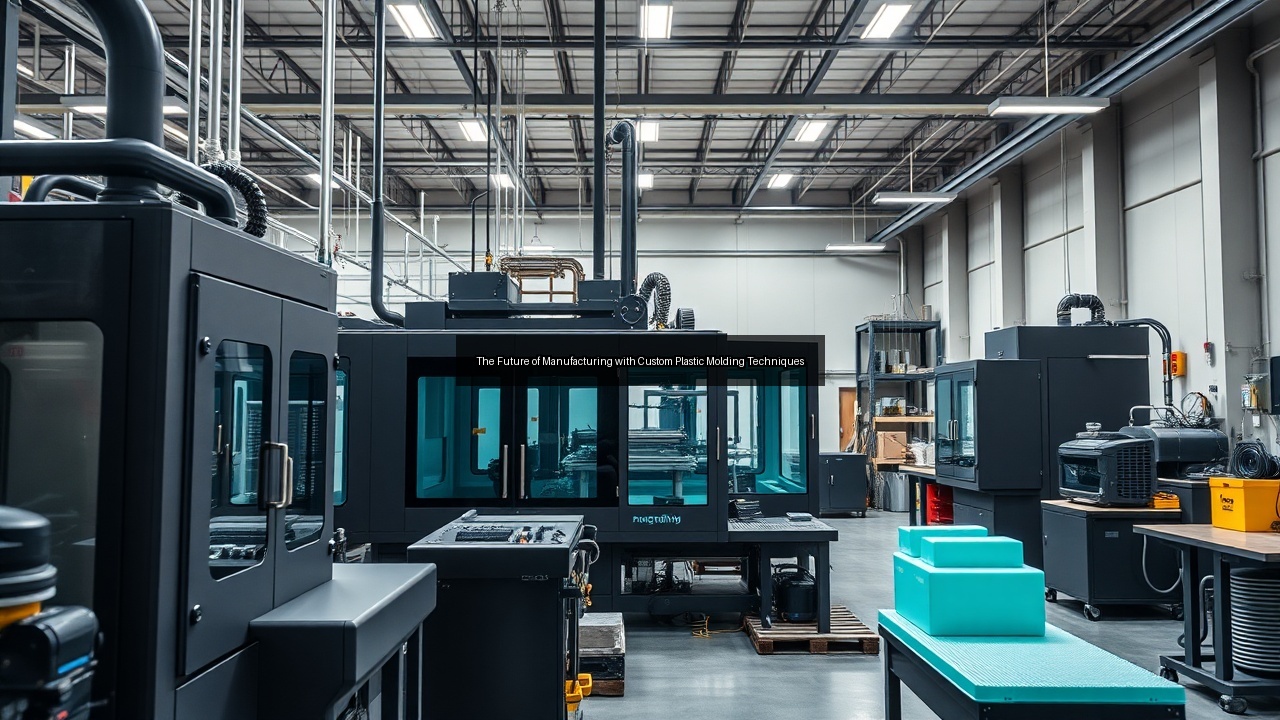
Innovations in Custom Plastic Molding Techniques
The Rise of 3D Printing in Custom Molding
3D printing revolutionizes the landscape of custom plastic molding. This additive manufacturing process allows for the rapid creation of prototypes and end-use parts without the need for expensive molds. Designers can easily iterate their concepts, producing intricate designs that traditional methods might struggle to replicate. The flexibility of 3D printing enables manufacturers to experiment with various thermoplastic materials, enhancing the overall functionality and aesthetic appeal of molded products. This technique streamlines the product development cycle, allowing companies to bring innovations to market at an unprecedented pace. As organizations embrace 3D printing, they unlock new possibilities for customization and efficiency in their production processes.
Overmolding: Enhancing Functionality and Aesthetics
Overmolding represents a significant advancement in custom plastic molding, combining two materials into a single part. This technique involves molding a softer thermoplastic material over a rigid substrate, creating a part that is both functional and visually appealing. Overmolding allows for improved grip, comfort, and tactile experience, making it particularly popular in consumer electronics and automotive applications. By integrating multiple materials, manufacturers can also reduce assembly time and costs, as fewer components are needed. The ability to incorporate colors and textures into a single piece enhances product differentiation in competitive markets. As the demand for innovative and user-friendly products grows, overmolding stands out as a leading technique in custom manufacturing.
Insert Molding: A Solution for Complex Designs
Insert molding takes custom plastic molding to the next level by incorporating pre-placed components, such as threaded inserts or metal parts, into the mold before injecting the plastic. This method is invaluable for creating complex designs that require both strength and functionality. The process allows manufacturers to achieve precise tolerances and create integrated features that would be impossible through traditional assembly methods. Insert molding reduces the risk of part failure, enhances durability, and minimizes the number of manufacturing steps involved. As industries continue to push the boundaries of design, insert molding provides a reliable solution for creating sophisticated and high-performance plastic parts.
Key Custom Plastic Molding Processes
Injection Molding: Efficiency and Precision
Injection molding stands as one of the most widely used methods in custom plastic molding due to its efficiency and precision. This process involves injecting molten thermoplastic into a custom mold, where it cools and solidifies into the desired shape. The ability to produce large volumes of parts quickly makes injection molding ideal for mass production. The technique also offers high accuracy, ensuring that each injection molded part meets stringent specifications. Advanced technologies in injection molds allow for complex shapes and intricate details, catering to a variety of industries, from automotive to consumer goods. As manufacturers seek to optimize their operations, injection molding remains a cornerstone of modern production.
Understanding Thermoforming for Custom Parts
Thermoforming is another essential custom plastic molding process that involves heating thermoplastic sheets until they become pliable, then forming them over a mold. This process is particularly effective for creating large, shallow parts, such as packaging, trays, and panels. Thermoforming offers significant advantages in terms of cost and production speed compared to injection molding, especially for low-volume runs. The flexibility in design allows for easy adjustments and modifications, making it ideal for prototypes and custom projects. With the growing demand for sustainable packaging solutions, thermoforming can efficiently utilize recycled thermoplastic materials, aligning with eco-friendly manufacturing practices.
Liquid Silicone Rubber (LSR) Molding: Versatility in Applications
Liquid silicone rubber (LSR) molding has emerged as a versatile option in custom plastic molding, particularly for applications requiring high performance and durability. LSR provides excellent resistance to extreme temperatures, chemicals, and UV light, making it suitable for medical devices, automotive seals, and consumer products. The molding process involves injecting liquid silicone into a mold, where it cures into a flexible, durable part. LSR's ability to create intricate designs with fine details sets it apart from traditional thermoplastic materials. The compatibility of LSR with various substrates enhances its applications in overmolding and insert molding processes, further broadening its appeal across different sectors.
Material Selection and Quality Control
Choosing the Right Thermoplastic Materials
Material selection plays a crucial role in the success of custom plastic molding. Different thermoplastic materials offer unique properties, influencing the performance, cost, and lifecycle of the final product. Manufacturers must consider factors such as strength, flexibility, temperature resistance, and chemical compatibility when selecting materials. Common thermoplastics include ABS, polycarbonate, and polypropylene, each suited for specific applications. Understanding the intended use of the molded parts guides manufacturers in making informed material choices, ensuring that the final product meets all functional and aesthetic requirements. A strategic approach to material selection can lead to significant improvements in product quality and customer satisfaction.
The Importance of Quality Control in Plastic Molding
Quality control is essential in custom plastic molding, ensuring that each part produced meets the required specifications and standards. Implementing rigorous quality assurance protocols throughout the manufacturing process minimizes defects and enhances overall reliability. Techniques such as in-process inspection, statistical process control, and final product testing help identify potential issues early, reducing waste and rework. Companies that prioritize quality control not only improve their operational efficiency but also build trust with clients and consumers. The focus on quality becomes increasingly important as industries demand higher precision and performance from molded plastic parts.
Cost Considerations and Pricing Strategies
Cost considerations significantly impact the feasibility of custom plastic molding projects. Factors such as material costs, tooling expenses, and production volumes contribute to the overall pricing strategy. Manufacturers must strike a balance between quality and cost-effectiveness to remain competitive in the market. Understanding the total cost of ownership, which includes production, maintenance, and potential waste, enables companies to set realistic pricing models. Collaborating with suppliers and optimizing processes can lead to cost savings, enhancing profitability without compromising product quality. As the industry evolves, innovative pricing strategies will play a pivotal role in securing long-term success.
Future Trends and Challenges in Manufacturing
Logistics and Supply Chain Dynamics in Plastic Molding
The logistics and supply chain dynamics of custom plastic molding are undergoing significant changes as globalization and technological advancements reshape the industry. Efficient supply chain management ensures timely delivery of materials and finished products, which is critical for maintaining production schedules. Manufacturers must navigate challenges such as fluctuating material prices, transportation costs, and changing regulations. Embracing digital tools and data analytics can enhance visibility across the supply chain, allowing for better forecasting and inventory management. As companies adapt to these complexities, optimizing logistics becomes essential in achieving operational excellence and meeting customer demands.
Rapid Tooling: Speeding Up Production Processes
Rapid tooling has gained traction as a method to accelerate the custom plastic molding process. This approach enables manufacturers to create molds quickly and cost-effectively, facilitating faster product development cycles. Techniques such as 3D printing and CNC machining streamline mold production, reducing lead times significantly. Rapid tooling is particularly beneficial for companies looking to test new designs or enter markets swiftly. As competition intensifies, organizations that leverage rapid tooling will gain an edge by shortening time-to-market for their products, thus meeting consumer needs more effectively.
Addressing Accuracy and Pressure in Injection Molding
Accuracy and pressure management are critical factors in the injection molding process. Maintaining consistent pressure during injection ensures that the molten plastic fills the mold uniformly, preventing defects and ensuring dimensional accuracy. Manufacturers must invest in advanced technology and monitoring systems to control these variables effectively. Regular maintenance of injection molds is also vital to preserve their integrity and performance over time. Addressing these challenges not only improves product quality but also enhances production efficiency, ultimately leading to greater customer satisfaction in the increasingly demanding landscape of custom plastic molding.